
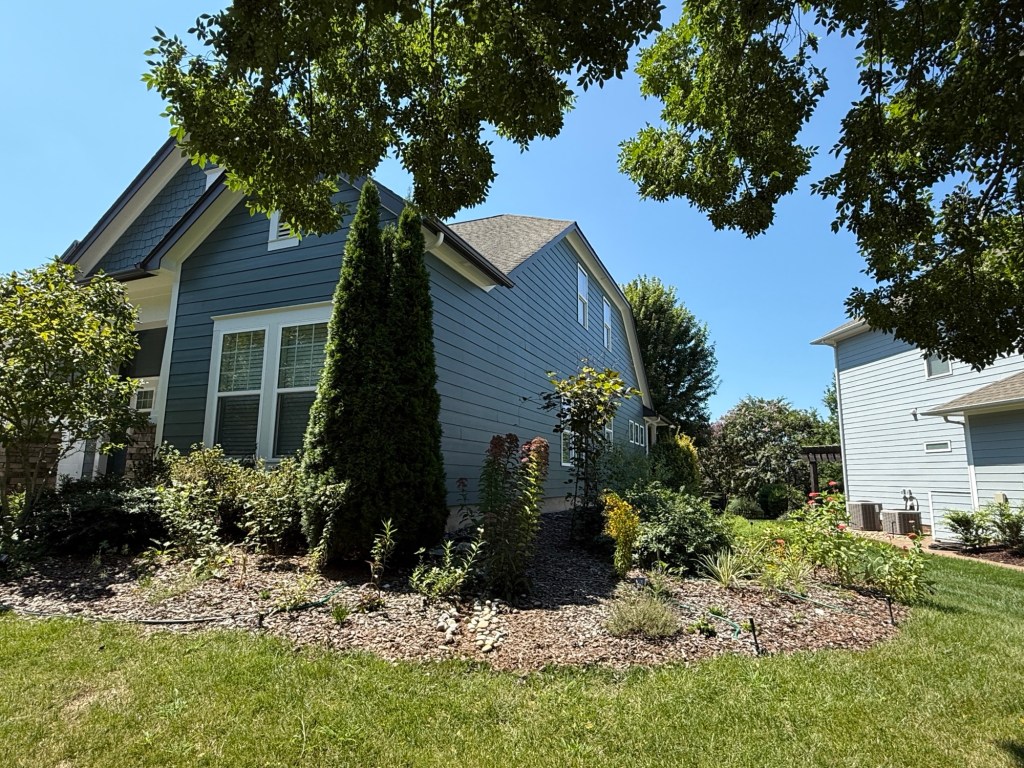
October has arrived and the perennials’ blooms have come and gone, some are still holding out like the zinnias, salvias and asters. In the Mid-Atlantic Piedmont (Zone 8) region we are getting cooler days to match shorter days and it feels like fall is on the way.
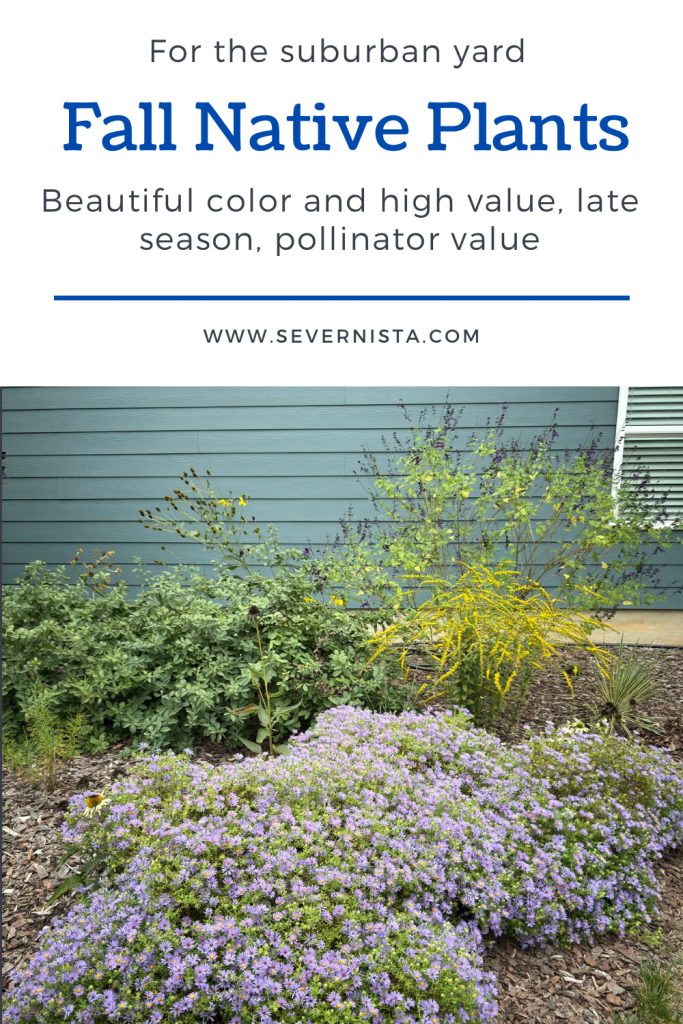
The prettiest part of fall in the mostly New Native Garden Bed (aka C2) has been the purple flowering asters Symphyotrichum oblongifolium ‘October Skies’. Holding a glory of color when all is fading, these asters are covered in small bees and other insects getting their taste of the last bit of the season.
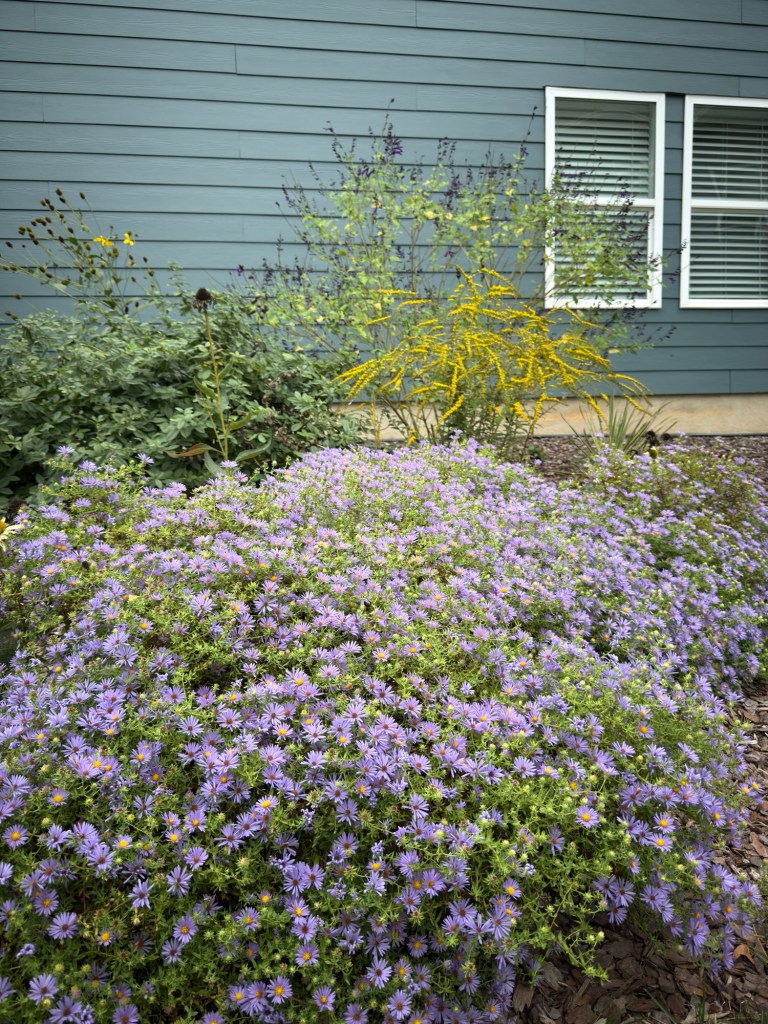

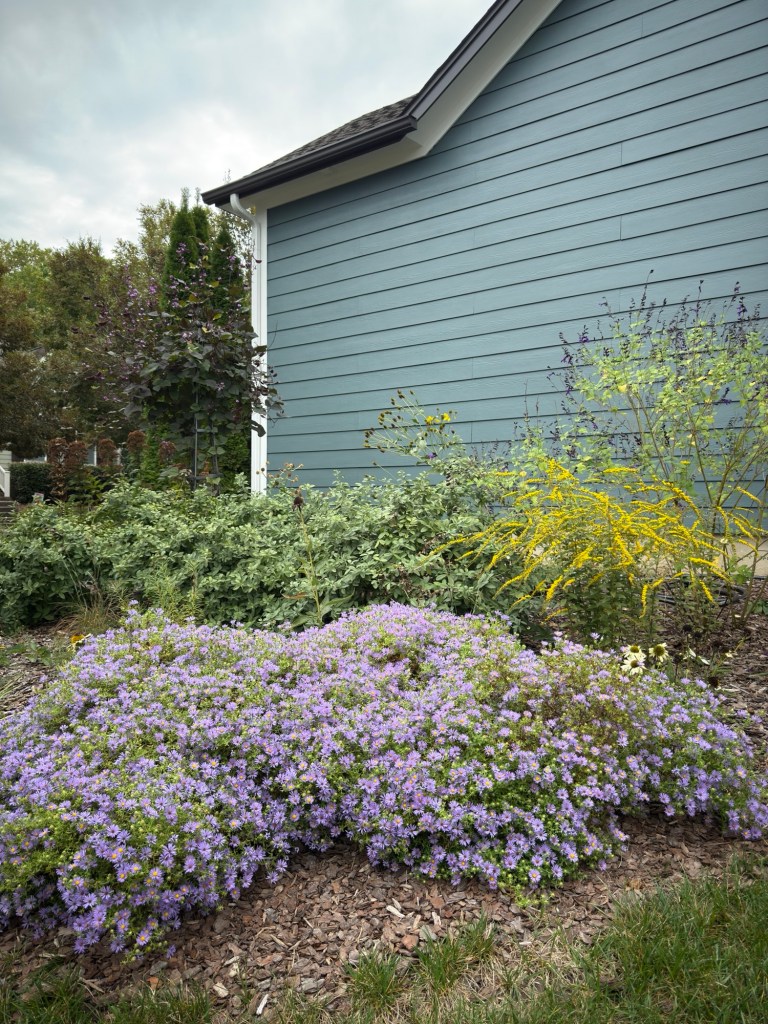
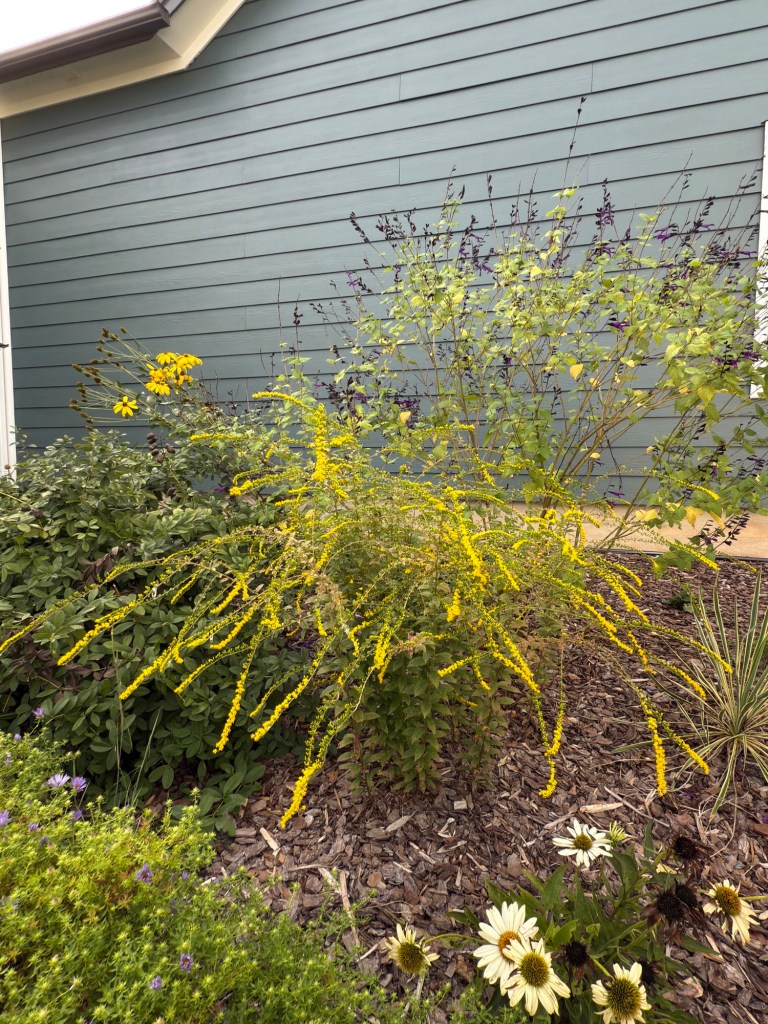
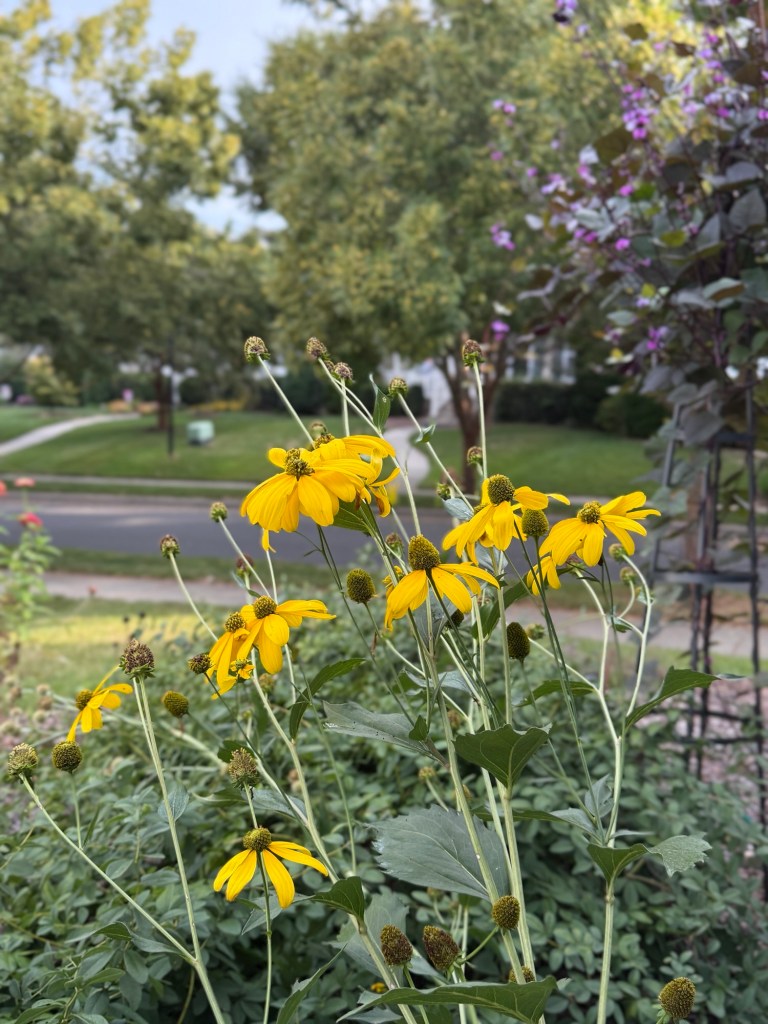
Larger bees have been visiting the Amistad Salvia’s deep purple blooms , the flowers of the Purple Hyacinth Bean vine and a new surge of flowers on the Rudbeckia laciniata ‘Herbstsonne.’

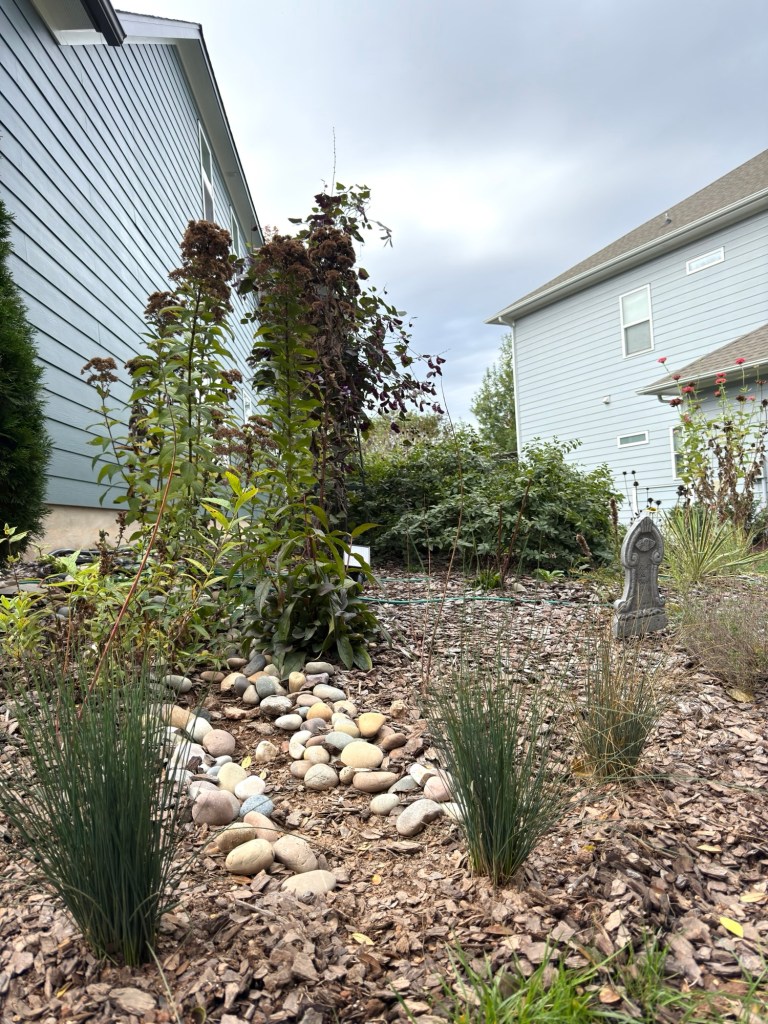
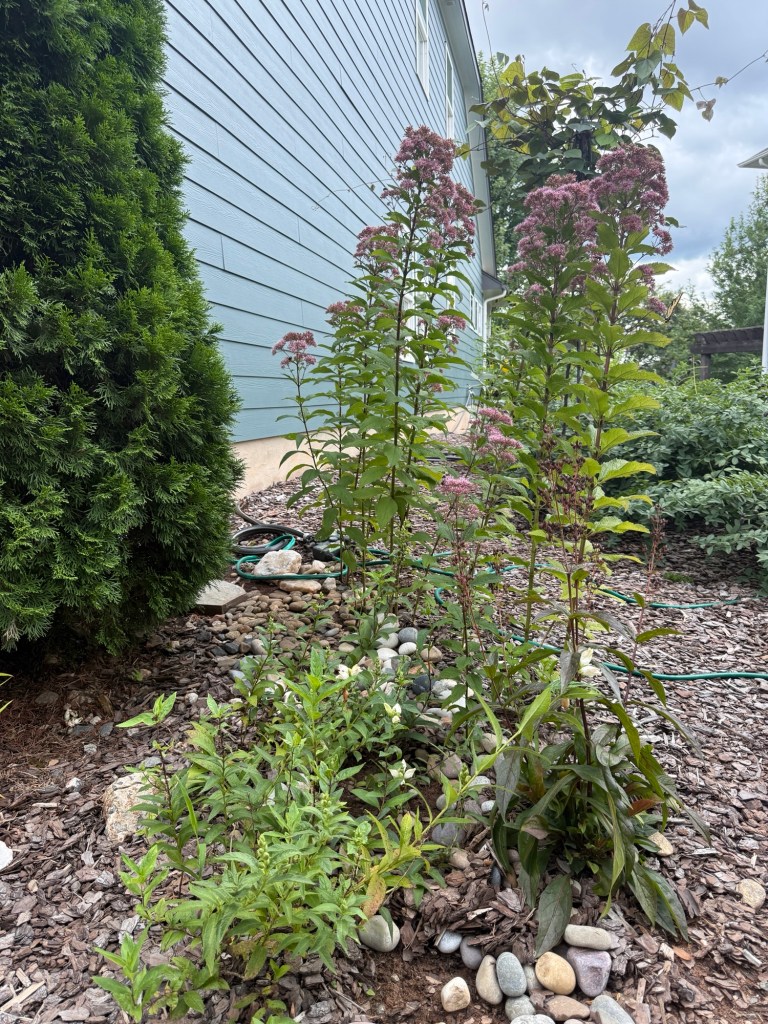
Coming upon fall weather is also a good time to plant more perennials in the bed. We added three Asclepius incarnata, or swamp milkweed, near the downspout on the corner of the house. Here we also planted three native rush varieties called Juncus tenuis ‘Blue Dart’ to soak up more of that roof line run off and provide a bit of edging. This is my first time growing either of these plants and I’m excited to see how they adapt and perform.
In addition to these I also added four Agastache foeniculum, which should bloom from summer until the fall with purple flowers on tall spikes. Also known as anise hyssop, this Agastache is native to the US but not our area. It’s a member of the mint family and both foliage and flowers are edible. I’m also hoping it may deter rabbits from eating the Phlox pilosa that I have inter-planted it.
According to the North Carolina Extension Gardener Plant Toolbox, “This is one of the 20 key pollinator plants that should be blooming in August for the Great Southeast Pollinator Census 2025.” Agastache foeniculum is not palatable to deer and rabbits but is loved by bees, butterflies, pollinators and birds.
Haven’t heard of the Great Southeast Pollinator Census? Check out their site here and participate in some basic insect identification and collection of scientific data. It’s open for residents of Alabama, Florida, Georgia, North Carolina and South Carolina.
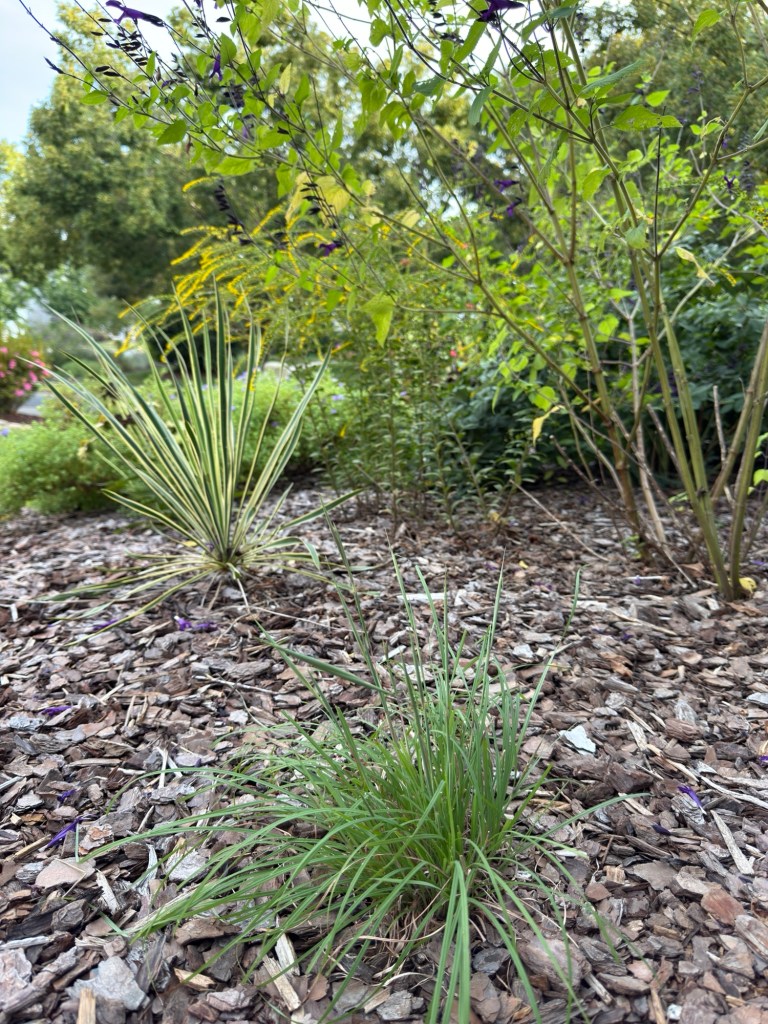
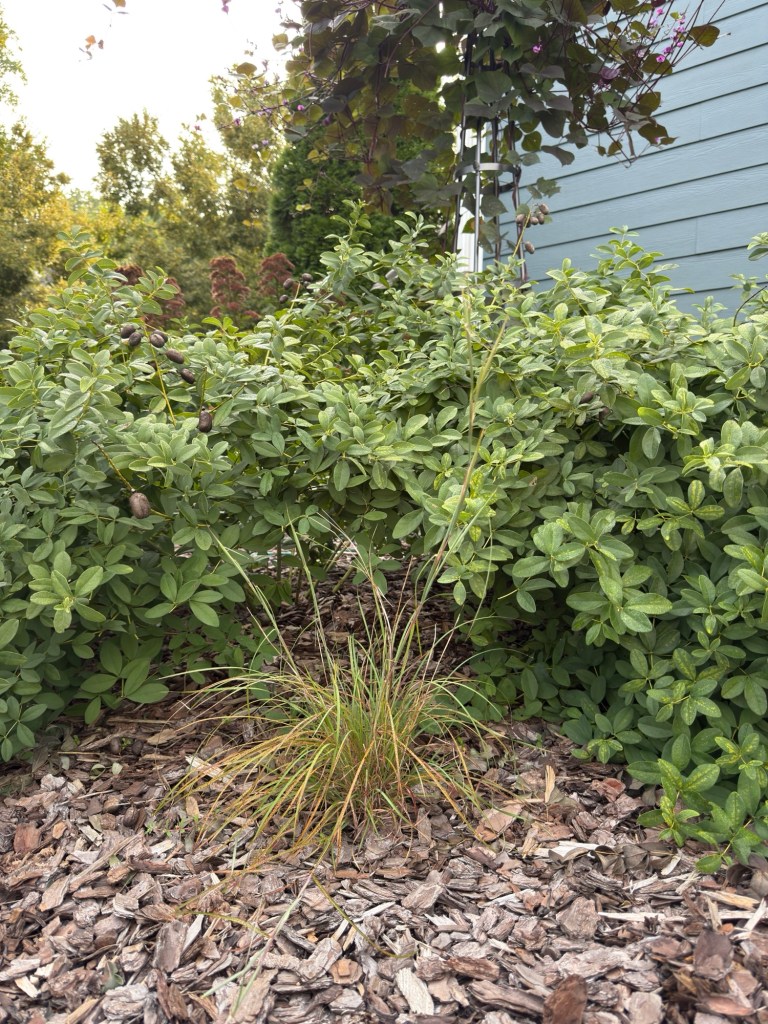
Fall is a great time to divide and plant out perennials and shrubs and to sow perennial seeds for next year, as many require cold stratification as part of their natural life cycle. Take this time to make note of design or location changes for plants and make a list for next year as some perennials may benefit better from division in spring or like the asters, are still blooming and you may not want to disturb this. I mark perennials with rocks and have them mapped in drawings so that I know where each plant is rooted and can more easily identify them as they start growing back in spring.
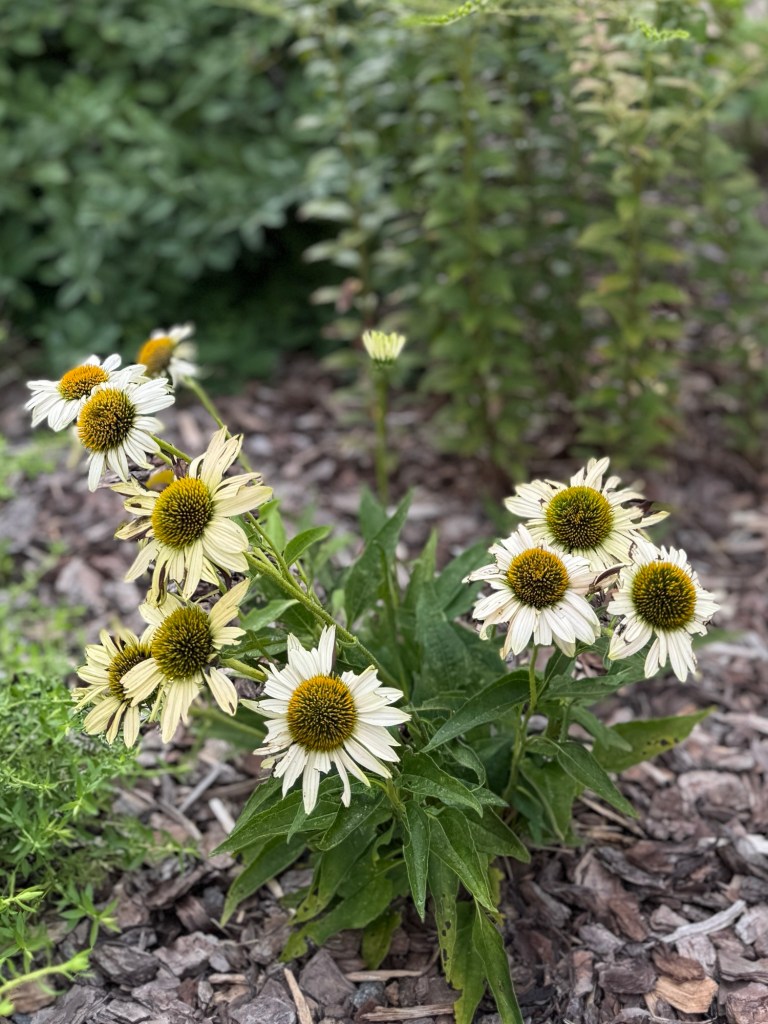
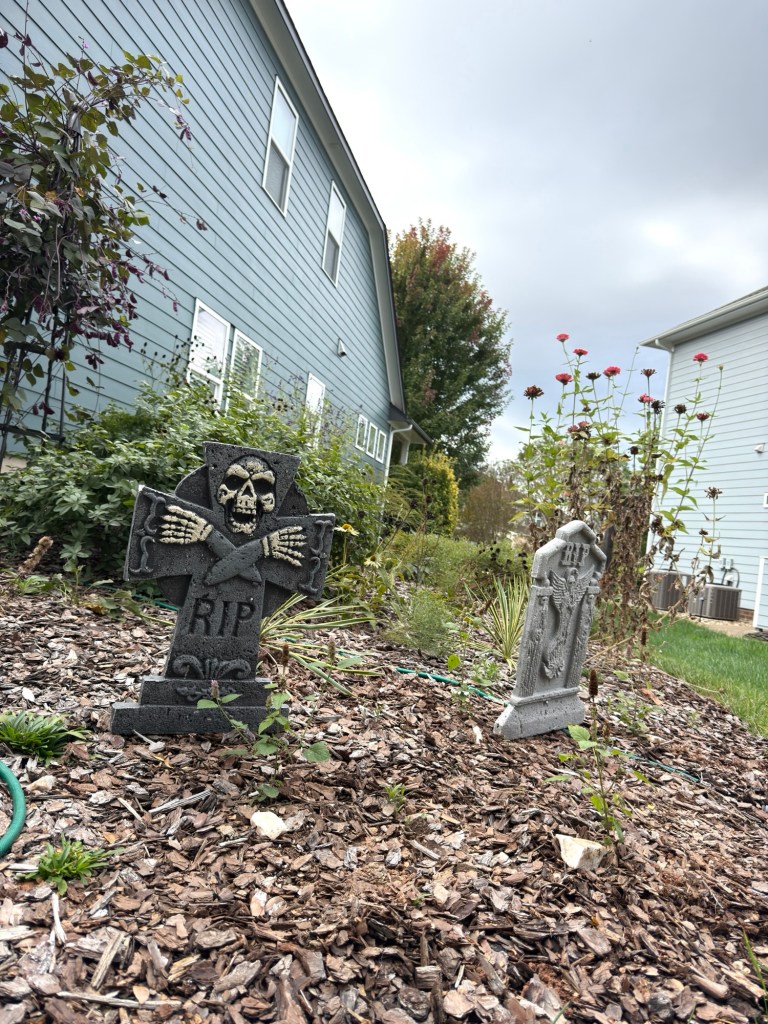
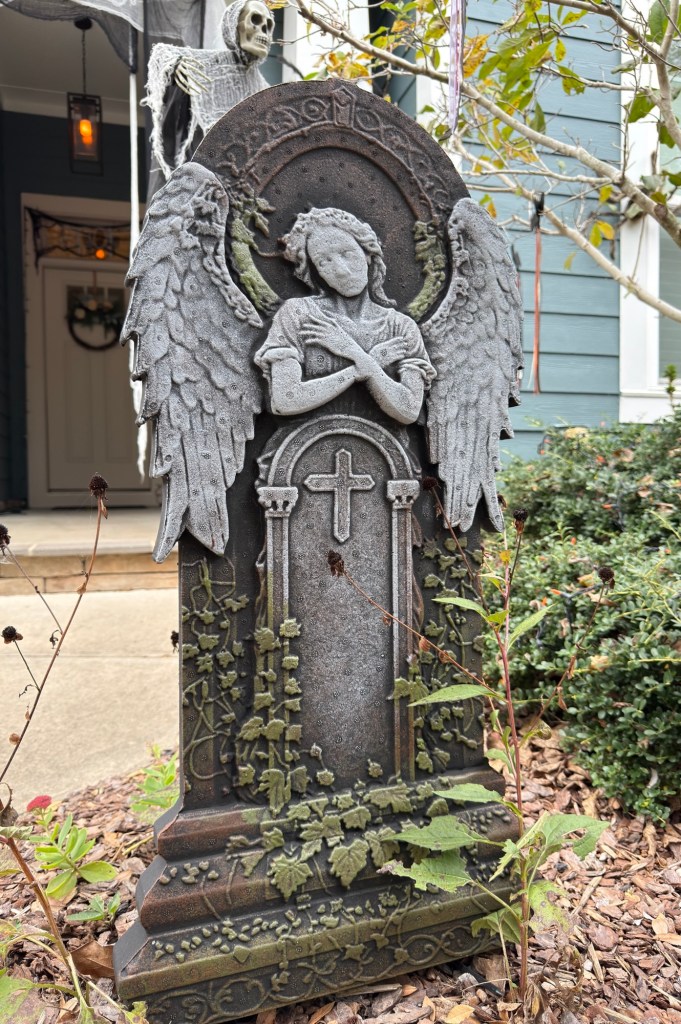
Now is a time to enjoy the changing of sunlight and how it illuminates grasses and seed heads. Even though insects are still at work, a calm begins to fall upon the garden. The mood resets for the holidays and this starts with Halloween.
Interested in learning about what plants we’re growing in C2, check here. Jump back to Spring here and Summer here to see what bloomed this year.



 Severnista
Leave a reply to exuberant4952178329 Cancel reply