How does the monarch find its milkweed?
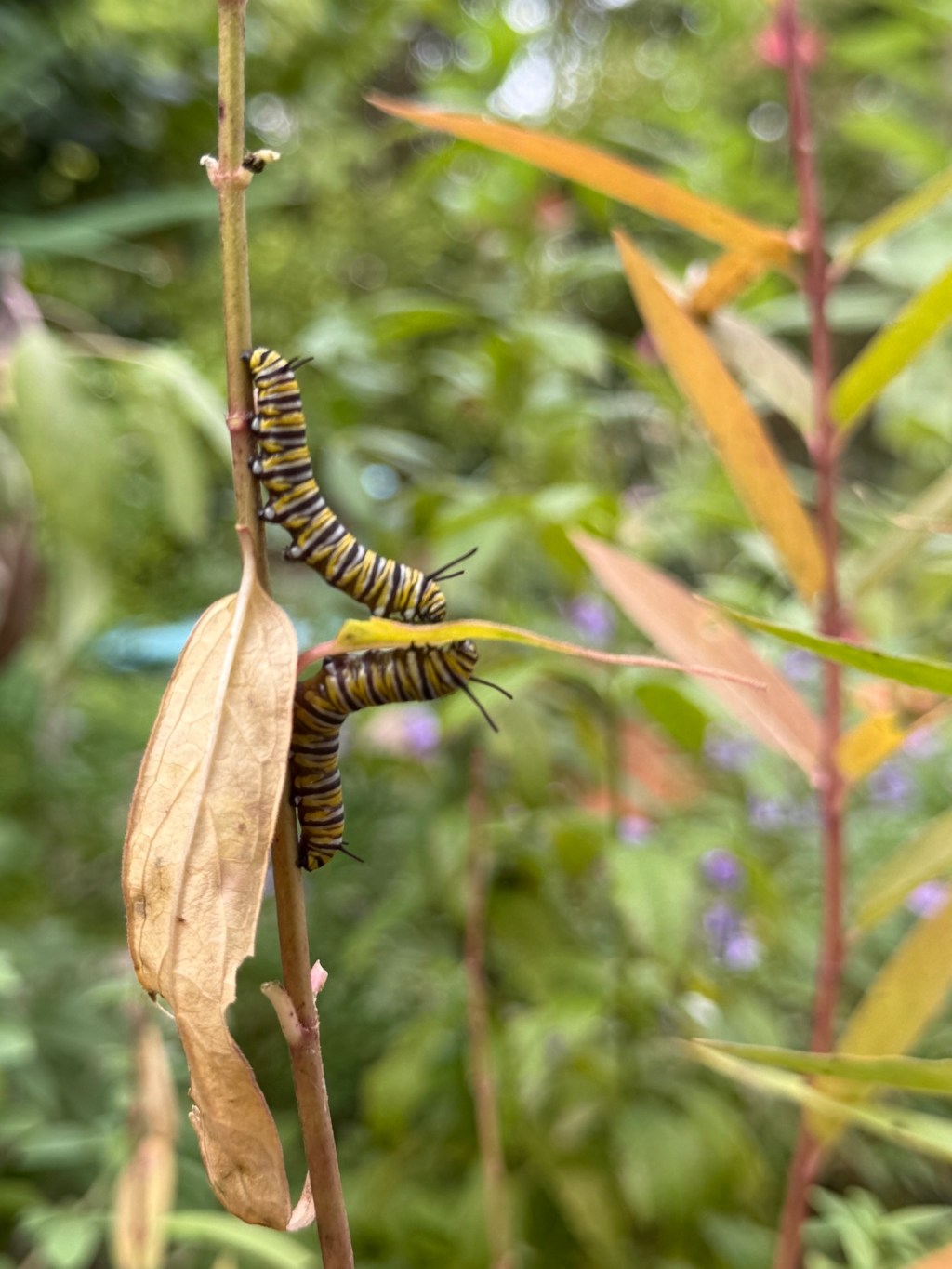
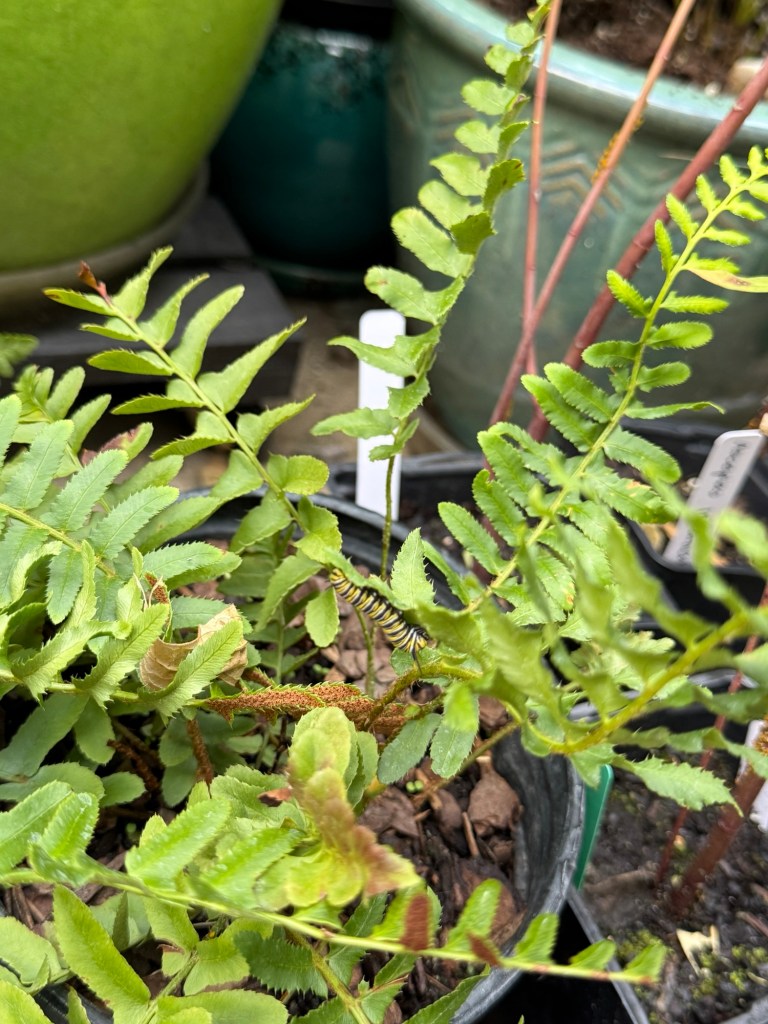
I brought home three swamp milkweed, Asclepius incarnata, from a plant sale at Stowe Conservancy in Belmont, NC the first week of August. By mid-September monarch larvae, Danaus plexippus, were furiously eating through every leaf on every plant. I counted seven caterpillars total and they ate until there was nothing left to eat and as quickly as they appeared, they disappeared.
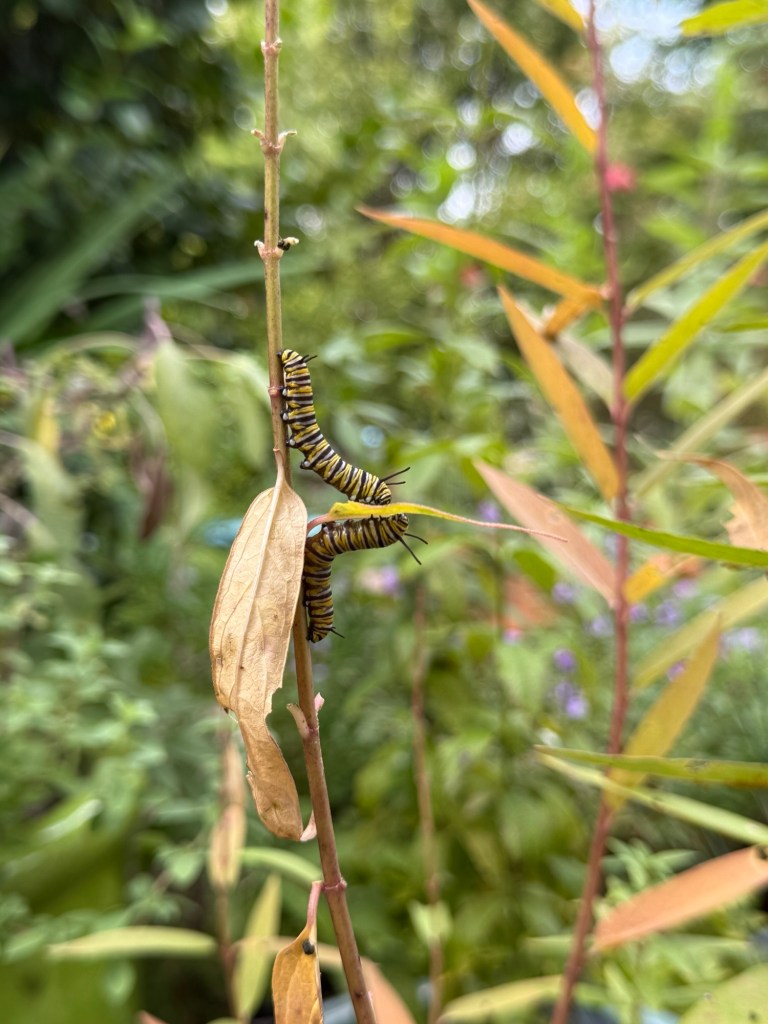
It turns out that, for the monarch, Asclepius incarnata is a type of milkweed (Asclepius) that is the preferred culinary and host species in our area. When I brought home these plants they already had monarch eggs on them. But I began to wonder how monarchs find their milkweed in the first place to lay their eggs.
Will monarchs find my swamp milkweed again next summer in my garden of less than half a dozen milkweed plants? How do they track down a specific plant in a sea of miles of thousands? Or in more urban landscapes, in a dense, greige sea of very little green, not just the wrong kind of green, which is anything other than milkweed?

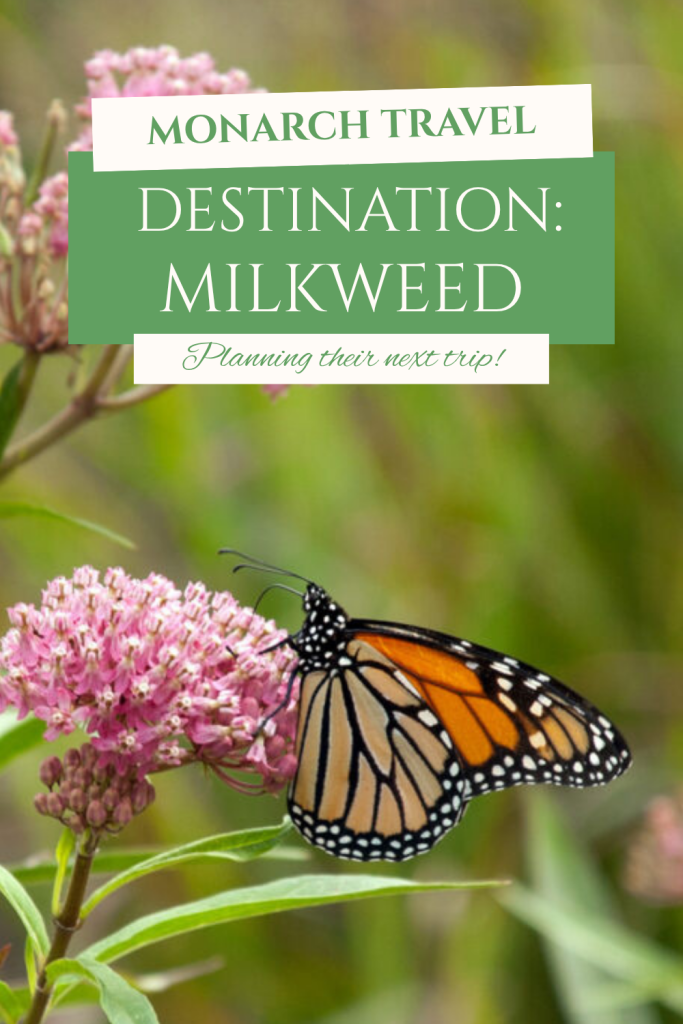
Maybe the monarch butterfly, flying 25-30 miles a day, isn’t looking just for milkweed plants and patches, but looking for other monarchs. Wouldn’t it be just as easy to look for other very distinguishable black and white dotted, orange butterflies puttering around in a similar flight path as your own? How easily can you spot a monarch? A monarch may just be looking for the greatest concentrations of other monarchs, rather than just through all the plants for the bright pigments to which it is attracted.
Using its senses like sight and smell to detect milkweed plants (Asclepius), monarchs may also be on the look out for other monarchs. Any species will detect and register its own kind and likeness first and easily. It’s an instinct, I believe, just like the instinct of registering the dangerous cues of a predator.

I liken a patch of milkweed to a very popular and highly rated restaurant. Crowds are curious to try the food because they’ve heard how great it is. It’s so popular that a wait list develops and patrons are forced to wait their turn to sit and eat. Groups of hungry people have formed inside and outside of the restaurant. When you walk by you don’t see the plate of food that’s supposed to be so delicious, you see all the people. The large grouping of people is a cue that there is good food here. The more people waiting, the better the food source and you don’t even have to see the food, or the swamp milkweed plant in this case, to know that what you desire is near. So you move in for a closer look of your own.
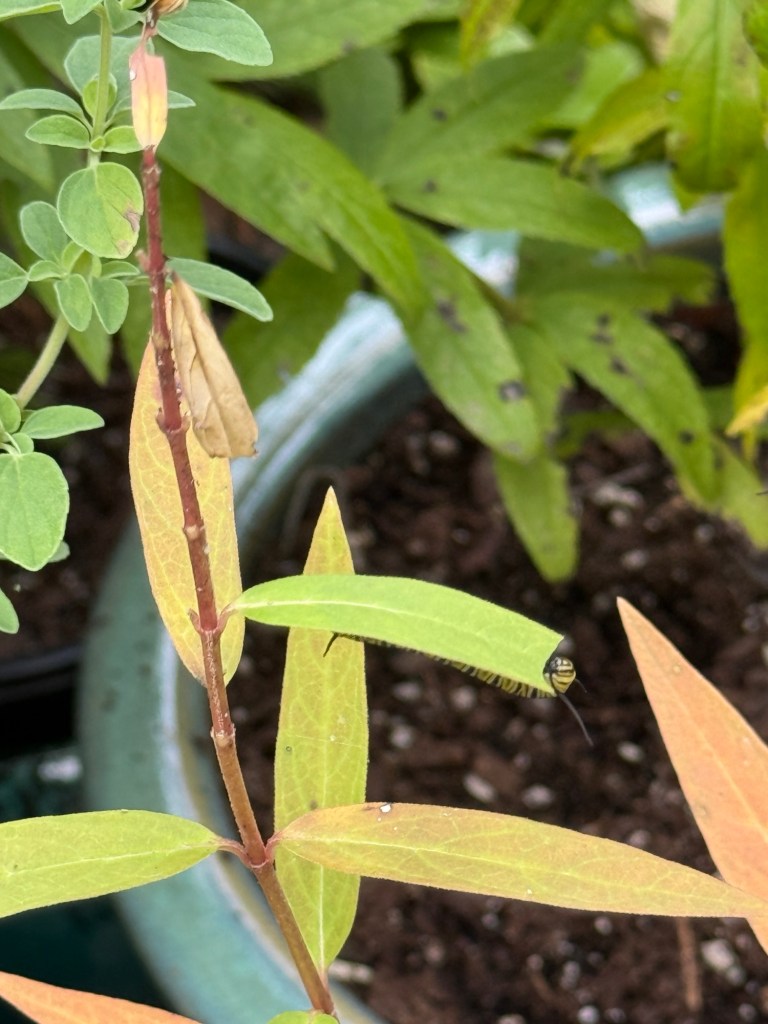
Of course the monarch found the milkweed plants that I came home with because they were grown in a nursery full of other milkweed plants. A high concentration of plants will also be more easily smelled and seen. But maybe the monarch that laid these eggs saw other groups of monarchs checking out this gourmet food source. Maybe it even saw the butterflies in the Stowe Conservancy butterfly pavilion nearby. The shear number of butterflies caught this wild one’s attention and it came in for a closer look. And if one monarch is doing this than others continue to do it because they heard the restaurant was just what they were looking for, all five star reviews. Frequency and numbers must indicate that there’s a good patch of milkweed around.
We all want to increase our survival rates and our offspring’s survival rates. It’s instinctual. It drives life on earth. What action will increase your end goal? For the monarch in its migratory stage- it’s finding a place to lay their eggs. And it’s worth it for the monarch to find this particular kind of plant in all the plants (even other milkweeds) across the traveled earth. It’s worth it because this is where they lay their eggs and when the larvae grows, this is the plant they eat. They are already there. And this is the only meal that they can eat.
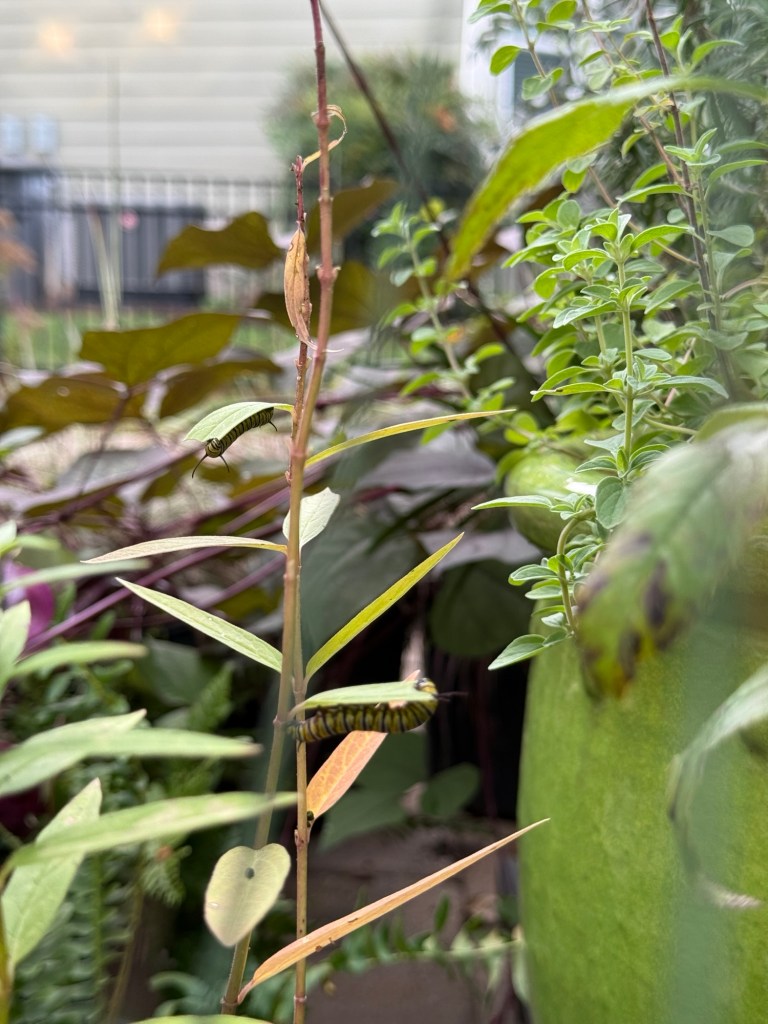
Will the monarchs find my little patch of milkweed in a sea of crappy restaurants that serve no value to them? How far must they fly into a less hospitable zone of manicured lawns and boxy, non-native shrubs to find all their energy spent on showy flowers with no nutritional value? How will they know my milkweed is here?
“Milkweed gardens can be in all shapes and sizes, and any milkweed garden can contribute habitat for monarchs.” -says Karen Klinger, a Geographic Information Systems analyst in the Keller Science Action Center at the Field Museum in Chicago.
How do I get more monarchs to come – more milkweed. I have to have monarchs sending out great reviews and seeing that other monarchs are flying in for egg laying and future meals. To get more monarchs to come- plant more milkweed. And get more people to plant more milkweed!
Some Monarch and Milkweed Resources:
To learn more about the Monarch’s life cycle check out the following resources:
- Monarch Biology from the Monarch Joint Venture, find here. Learn about their life cycle and how they travel and why milkweed is so important.
- Life Cycle from the Monarch Joint Venture. Looking for more detailed information on all life cycle stages of the Monarch, including the different instar stages, generations and migration patterns, look here. Very comprehensive with great photos and diagrams.
More articles on the relationship with Monarchs and Milkweeds:
- Growing milkweeds from Our Habitat Garden blog. Great information on Asclepius (milkweed) propagation and photos to match! Read here. Why it’s important to know a plant’s scientific Latin name. I will be referencing this post when I’m ready to start increasing and sharing my milkweed. A nice site with varied information on their wildlife habitat garden in Central New York.
- Asclepias — Or How I Learned to Love Milkweed from the Piedmont Master Gardener’s here. Piedmont Master Gardener’s are from the state’s Cooperative Extension in Charlottesville and Albemarle County, Virginia. This article covers personal experience, varieties native to the US, cultivars, basic care and propagation methods in written form.
- Everything You Need to Know to Help Monarch Butterflies from The National Wildlife Federation (NWF), find here. This is a more interactive experience with colorful milkweed plant profiles and a FAQs index. Consider getting your butterfly habitat certified and support NWF.
- Monarch butterflies need help, and a little bit of milkweed goes a long way, a press release from the Field Museum of Natural History in Chicago, find here. Great little article on community action and citizen involvement in monitoring their milkweed to Monarch attractions in an urban landscape. Can a handful of plants make a difference? How many community scientist volunteers found eggs on their plants in repeat years after establishment?
Finding Milkweed (for Monarchs:)
- Q&A How monarchs find milkweed. A Q&A from 2021 with Anurag Agrawal, James A. Perkins Professor of Environmental Studies. Worth reading on the continued questions that we have about the monarch/ milkweed relationship.
- Milkweed for monarchs? The answer isn’t so simple from The University of North Carolina, Charlotte, Charlotte Urban Institute, 2022. Personal experience of growing milkweed and evaluating its impact with Monarchs in the region of Charlotte and the Uwharrie Mountains, NC. Going to the experts for information. What, Orley Taylor of Monarch Watch, had to say. Find here.
- Which Milkweeds Do Monarch Butterflies Prefer? from the USDA, find here. Target monarchs with what they like best!
Finding Milkweed ( for You)
- Native growers and retail. Check for ‘Native’ nurseries in your area that specialize in native US plants or native species to your area. See my reference page here.
- Non-native nurseries and retail. With demand, more nurseries are selling native plants and their wide variety of cultivars. Do your research and see which cultivars are going to provide for pollinators and habitats best.
- Online retail. See my reference page here. Also check Facebook Marketplace and other social media as someone in your area may be propagating and selling milkweed. Caution here with labeling and making sure you’re getting the right plant. Do research. Ask questions. What method of propagation did they use?
- Your local botanical gardens and State Extension Master Gardener’s plant sales.
- Growing from seed. To purchase seed, seek out reputable online sources.
Info on Tropical Milkweed (because the last articles brought this variety up):
- Tropical Milkweed vs Native Milkweed for Monarch Butterflies Gardening Class from Green Thumb Nursery on YouTube. Watch here. It’s a 25 minute video but she does have balanced research on growing/ planting tropical milkweed. Informative.



 Severnista
Leave a comment