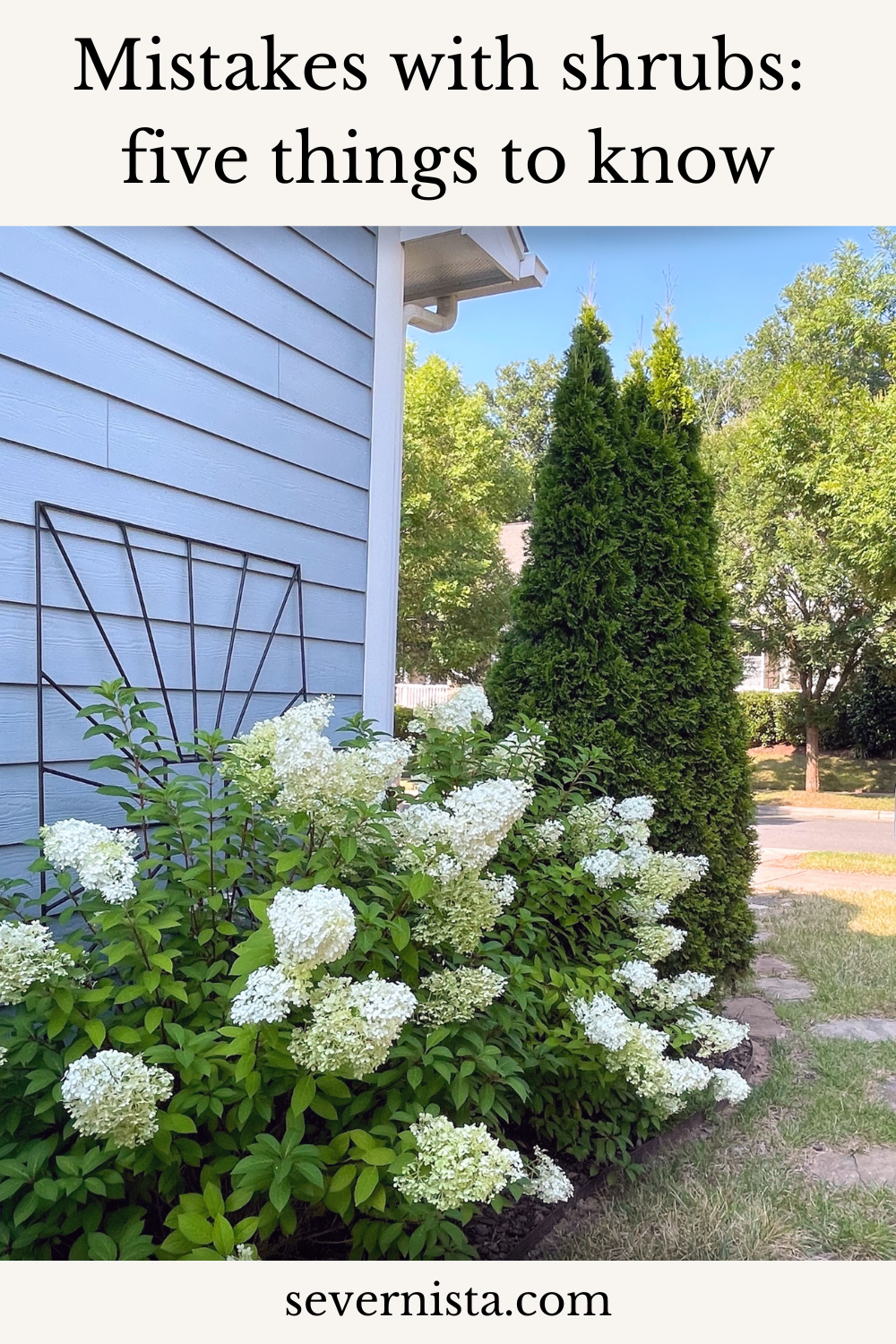
Shrubs are work horses in the garden. They provide an important layer with structure and size. They are often critical coverage and nesting sites for birds and other wildlife. They serve an important role but often get sidelined into just being chosen as foundation plants to wrap around a house. They become fixtures rather than living, breathing organisms and that can cause problems for the home gardener down the road.
Let’s look at five top mistakes home gardeners make, myself included, when choosing shrubs for our yards and what are some alternatives.
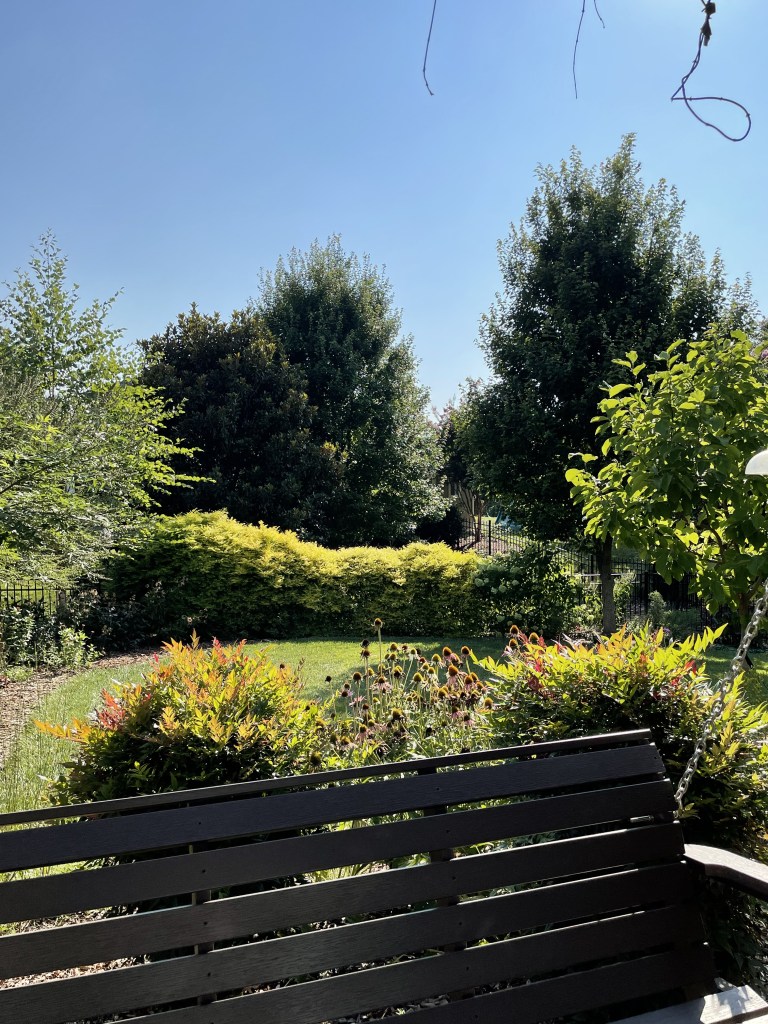
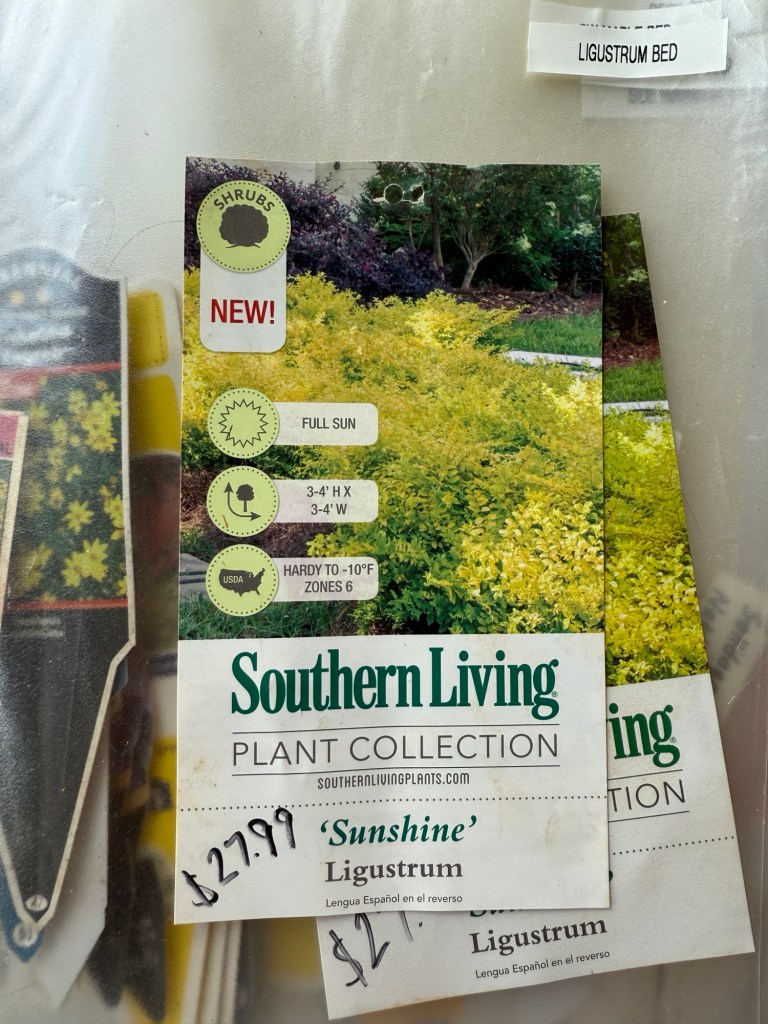
- Don’t underestimate and do your own research! Shrubs will get larger than the tag says. And not by a little bit either. If a shrub likes where it is, it can grow up to twice as large as the estimated mature size written on the plant tag’s description. And what about how the plant naturally wants to repopulate itself? Do your research! Is that shrub that you are about to dig into your environment invasive and harmful? This is a big deal! We’ve all seen how vines like kudzu (Pueraria montana var. lobata) and English ivy (Hedera helix) can be destructive to our wooded habitats, but some shrubs and trees are equally invasive and persistent. In the minimum- find out if the shrub has the potential of being invasive. And don’t take landscapers and growers words for it!
Quick link to look up that plant name, use the NC State Plant Toolbox, search here by common or Latin name.
Or check out this booklet from the North Carolina Botanical Garden here on controlling some of our most un-wanted invasive species!
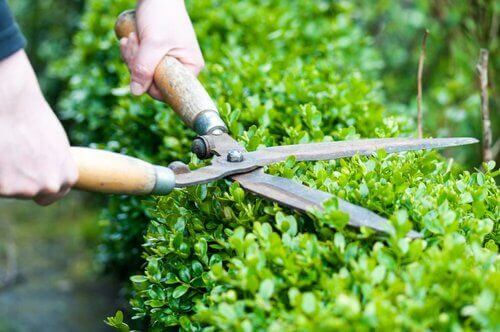
2. Work required. You will need to trim (and trim and trim). Either you do it or pay someone else but you are going to need to establish and maintain up to three times a year to cut back shrubs, especially if you live in the new generation of small yards and want to keep your shrubs closer to the smallest growth size on the plant’s horticultural tag. And what if your yard is mostly just a patio? Shrubs need not apply, unless it can live in a large container.
3. Too much evergreen shrub foliage is just too much! Don’t go crazy with repetitive lines and layers of all evergreens. Often we try to hide our house foundation by literally wrapping it in shrubs like a green skirt. And though this can soften the harsh edges and corners of a home, those plants have to live there, so we need to give them ample space and consideration.
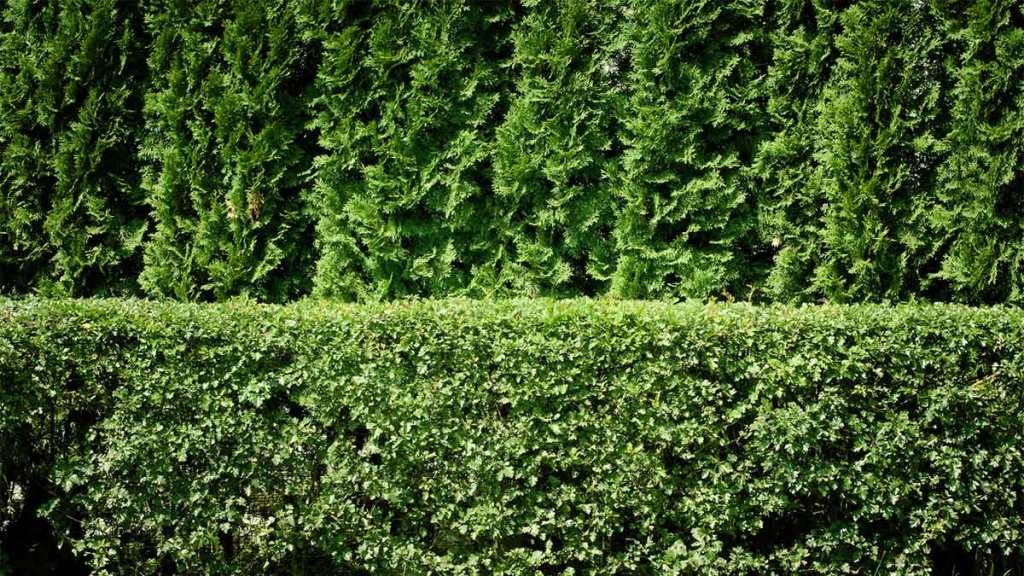
4. Use correct spacing for a privacy screen or not at all. Now more than ever as elbow room between homes is getting smaller and smaller the issue of privacy becomes greater. If privacy is a concern consider investing in privacy screen structures or a trellis that either stands alone or can be combined with a native vine like Lonicera sempervirens. Especially if your space is small! Remember: shrubs can get big. How much of your small yard do you want to give over to the shrubs?

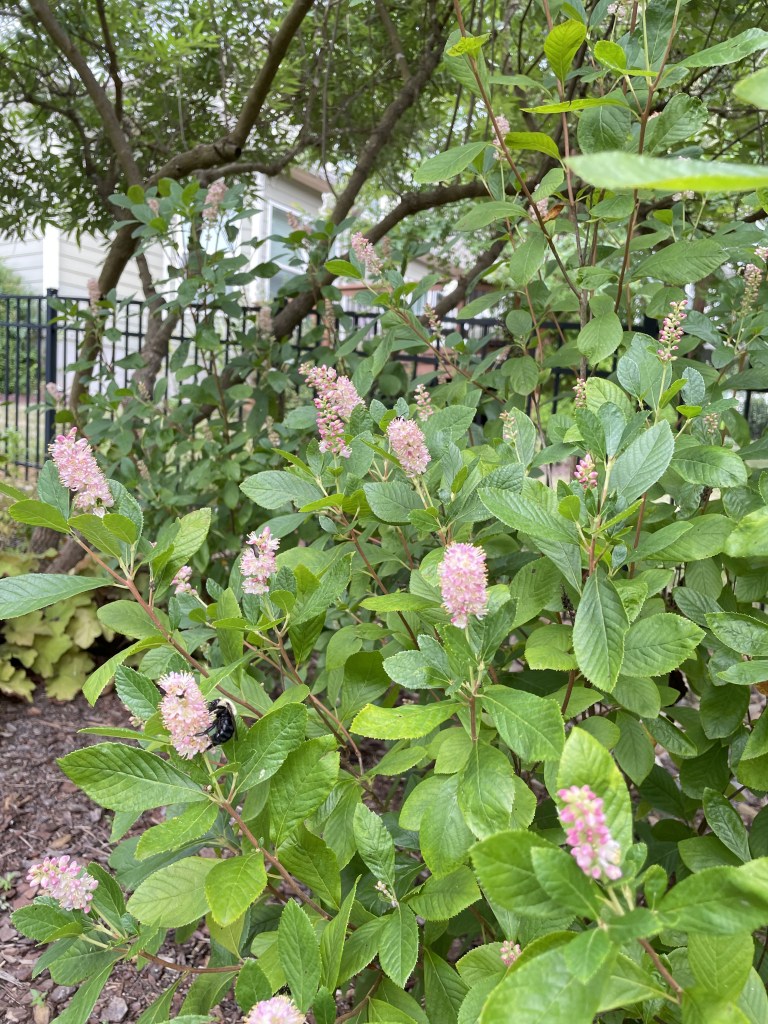
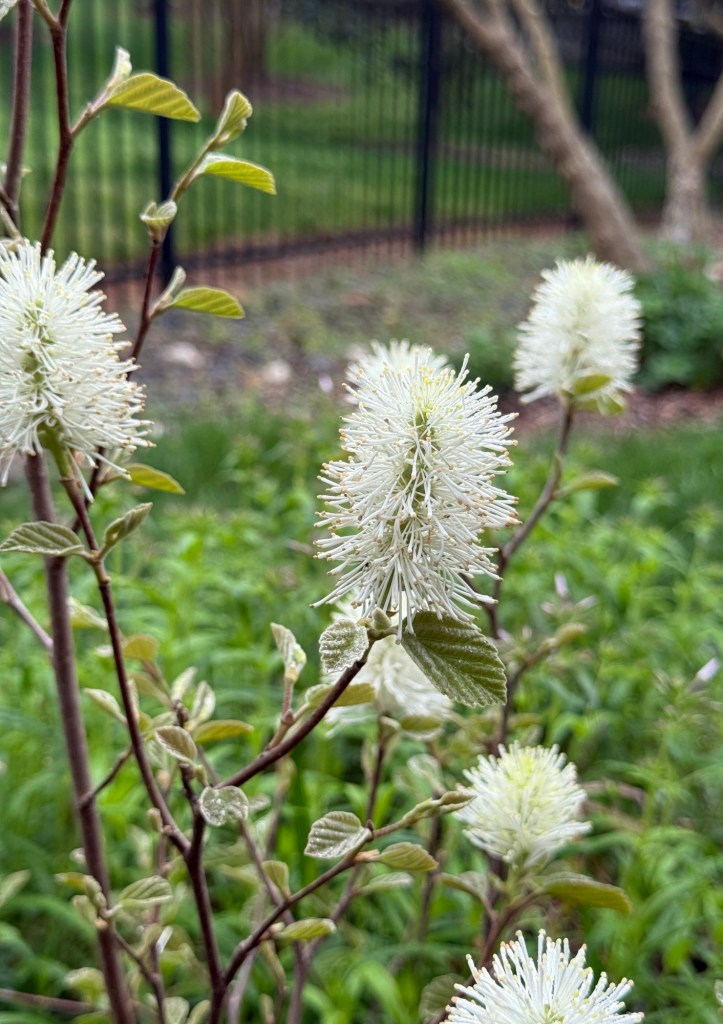
5. And the most important thing to know: Look at native alternatives before you plant! Use non- native evergreen shrubs sparingly and mix in with deciduous native shrubs like Summer sweet (Clethra alnifolia), New Jersey Tea (Ceanothus americanus) and Fothergilla.
Or simply don’t use them and imagine what other beauties your yard can accommodate. Look into perennials. Research and utilize some smaller, native grasses. That’s why perennial gardening is fantastic! Come up with a simple design, plug it in and yes, maybe you need to divide them out later after a few years but if you choose the plants wisely, then you know what you’re getting into, and you can base your amount of work around that.
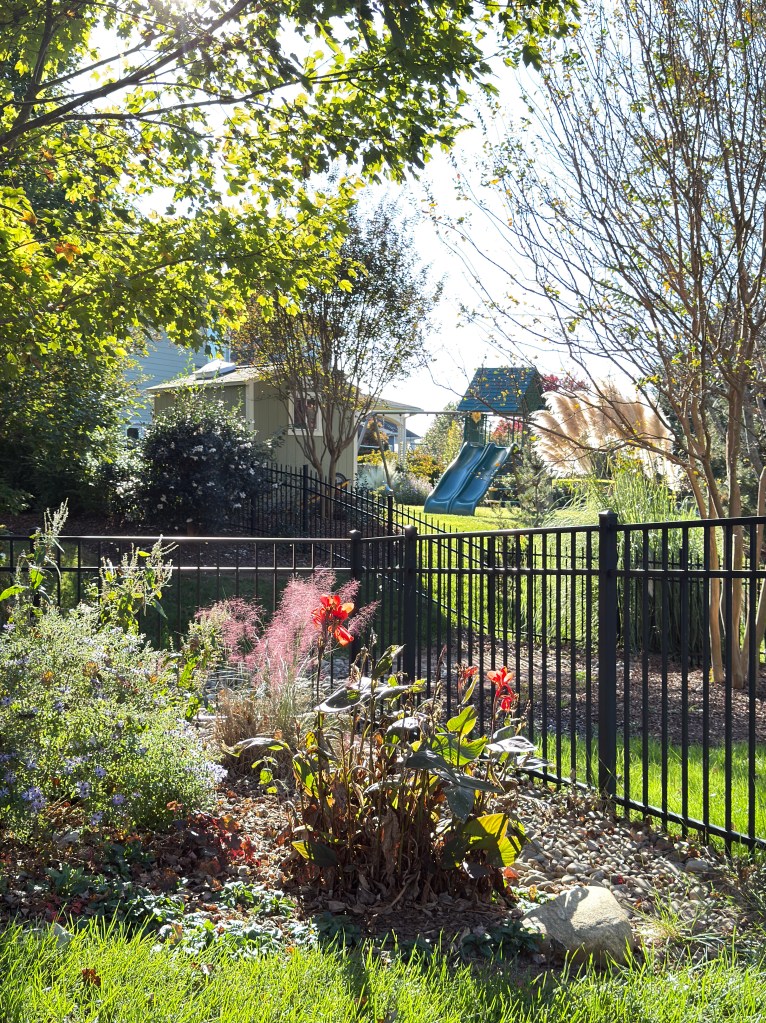
Shrubs have a place in the home garden. They can offer beautiful textures and seasonal flowers. They are often long lived with sturdy roots. Proper care should be taken before you choose shrubs for your landscape and this comes from personal mistakes and experience. Hopefully this article gives you some insights to consider before you plant.
Looking for a shrub and need some help, check out my Native Garden Reference Links here.


 Severnista
Leave a comment